The Rise of the Exam Hackers

As with any system, the rules of exams and assessments have the potential to be bent or broken.  For people who are determined to cheat their way through exams – be they organised exam fraud gangs, professional exam candidates or opportunistic individuals – the potential gains in status and earning power create a tempting opportunity to gain an unfair advantage.

As a company working to prevent exam fraud, we are constantly looking for opportunities to thwart the efforts of cheats and to detect the work of those who manage to do so during the exam.  This is not always easy.  As is often the case, prevention is better than cure, and so the recurring question that confronts us is how we can deter, detect and stop cheating in exams and assessments that are under our control.

One way is to employ exam hackers.

Understanding Exam Hackers

Exam hackers are highly skilled individuals who leverage their expertise in ethical hacking and assessment design to assess the robustness of assessment integrity protection measures.  As with other white-hat hackers, their primary objective is not to exploit vulnerabilities maliciously, but rather to identify weaknesses that could be exploited by real threat actors.

They operate under strict ethical guidelines, ensuring that their efforts contribute to enhancing the assessment process and protecting client intellectual property and assessment assets.  By working alongside an assessment design team and those responsible for delivery, they can become an essential part of any team that takes a proactive approach to identifying and responding to risks.

How the Hackers Work

Exam hackers employ a range of methodologies to evaluate assessment design. Their techniques can include:

  • Vulnerability Scanning: Exam hackers use automated tools and manual analysis to identify potential vulnerabilities in assessment platforms, such as weak authentication mechanisms, insecure data storage, or unencrypted communication channels.
  • Penetration Testing: By simulating real-world attacks, exam hackers attempt to exploit identified vulnerabilities to gain unauthorised access to assessment software, or to manipulate exam data.  This helps reveal potential weaknesses that could compromise the integrity of the awarding system.
  • Social Engineering: Exam hackers may employ social engineering tactics to assess the effectiveness of the assessment process against manipulation by individuals attempting to cheat.  This can include testing response time to suspicious behaviour, evaluating monitoring systems, attempting to interact with legitimate candidates, and assessing the effectiveness of anti-cheating measures.
  • Code Review: Some exam hackers may also analyse the underlying code of assessment platforms to identify potential vulnerabilities such as injection attacks, insecure session management, or other technical flaws that could lead to a system compromise and potential data breach.

What the Hackers Think

We spoke to one exam hacker and asked them how they had found their way into this work and what they thought about the ethics of exam hacking:

 “I’ve been hacking exams since I was in high school and I realized that I could use my computer skills to my advantage. I would find weaknesses in assessment technology or the exam design, and I would use those weaknesses to cheat my way to success. At first I thought it was really fun that I could do this, but as I got older I realized that this was a serious issue.

One day, I was hacking an exam for a fellow student who was applying to a prestigious university. I found a weakness in the exam software platform that allowed me to see all of the answers.  I knew that if I used this weakness, I could guarantee the student a spot at the university.

But then I had a change of heart. I realized that I didn’t want to help people to cheat their way into education and that I could use my skills to help make exams fairer for everyone.

So I decided to do the right thing.  Now I work with organizations all over the world who want to improve the security of their assessments and I love being able to use my skills like this. Like most people, I’m still learning and growing, but I’m committed to being a force for good in the world.”

The Benefits of Exam Hacking

The rise of exam hackers offers many potential benefits to exam owners and assessment designers, including:

  • Enhanced Security: By proactively identifying vulnerabilities in assessment design, exam hackers enable educational institutions to bolster the security of their examination systems. This minimises the risk of data breaches, cheating, or any compromise that could undermine the credibility of exams.
  • Improved Validity: Exam hackers help ensure the integrity and validity of assessments by uncovering flaws in the design, structure, and implementation of exams. By identifying and mitigating potential cheating avenues, they uphold the fairness and accuracy of the assessment process.
  • Educational Quality Assurance: The involvement of exam hackers as part of a comprehensive assessment development programme, can instil confidence in students, educators, and institutions by ensuring that the results obtained through exams accurately reflect students’ knowledge and abilities.  This strengthens the educational quality assurance mechanisms and enhances the value of certifications and degrees.
  • Innovation and Adaptability: Exam hackers’ insights and recommendations aid educational institutions in adapting to the evolving landscape of assessment methodologies.  By understanding potential weaknesses and emerging threats, institutions can stay ahead of malicious actors and implement measures to counteract their tactics.

Conclusion

The involvement of exam hackers in assessment design marks a positive change for global awarding organisations by demonstrating a proactive approach to enhancing assessment design and security.  By employing white hat hacking techniques, exam hackers bring invaluable insights that help educational institutions protect the integrity of exams and ensure fair evaluation of students’ abilities.  Embracing the expertise of exam hackers paves the way for a robust, innovative, and adaptable assessment ecosystem, promoting a genuine learning and assessment experience for students while upholding the credibility of educational qualifications.

Join our Hackathon!

To find out more about the work that VICTVS does to protect the integrity of assessments, please contact us here.

Alternatively, join us at the Federation of Awarding Bodies Conference on 30 November – 01 December 2023 where we will be hosting a live Exam Hacking event!

Empowering Children with SEND: Unlocking Potential with Remote Invigilation by VICTVS

For children with Special Educational Needs and Disabilities (SEND), taking exams can be a daunting experience.  However, the advent of remote invigilation, also known as Remote Proctoring, has opened up new possibilities for creating an inclusive and supportive exam environment.

Let’s explore how remote invigilation from VICTVS can benefit children with SEND requirements during exams.

Reduced Anxiety and Increased Comfort

Children with SEND often experience heightened levels of anxiety in traditional exam settings.  Remote invigilation allows them to take exams in the familiar environment of their own homes or preferred locations.  This familiarity helps alleviate anxiety and creates a comfortable setting where children can feel more at ease, leading to improved focus and concentration during the assessment.

Personalised Accommodations

Remote invigilation offers the flexibility to provide personalised accommodations tailored to the specific needs of children with SEND.  Accommodations such as additional time, rest breaks, or assistive technologies can be seamlessly integrated into the remote exam experience.  This ensures that children can access the necessary support to showcase their abilities and reach their full potential, levelling the playing field for all candidates.

Minimised Sensory Distractions

Children with SEND may be particularly sensitive to sensory stimuli, such as noise, bright lights, or crowded spaces.  Remote invigilation allows for a controlled environment where children can reduce or eliminate these distractions.  By customising their exam space, children can create a sensory-friendly setting that promotes focus and concentration, enhancing their overall exam experience.

Accessible Tools and Technologies

The VICTVS remote invigilation platform has been designed with accessibility in mind, providing a range of tools and technologies to support children with SEND.  Features like screen readers, adjustable font sizes, colour contrast options, and closed captioning enable children with visual or hearing impairments to engage effectively with the exam content.  These accommodations ensure that every child has equal access to the exam materials, promoting inclusivity and enabling them to demonstrate their knowledge and skills.

Real-Time Support and Communication

During remote invigilation, children can communicate with invigilators in real-time through chat or video conferencing.  This feature is invaluable for children with SEND, as it allows them to seek clarification, request support, or express any concerns they may have during the exam.  VICTVS invigilators can provide prompt assistance and guidance, fostering a supportive environment and boosting the child’s confidence and performance.

Flexibility and Convenience

Remote invigilation offers children with SEND greater flexibility in terms of exam scheduling and duration.  This flexibility accommodates their specific needs, ensuring that they can take the exam at a time when they are most comfortable and alert.  Additionally, our remote invigilation eliminates the need for children to travel to physical exam centres, reducing logistical challenges and potential disruptions associated with transportation or accessibility.

Conclusion

Remote invigilation has revolutionised the exam experience for children with SEND, empowering them to overcome barriers and unlock their full potential.  By providing a familiar and comfortable exam setting, personalized accommodations, and accessible tools, remote invigilation ensures that every child can participate in exams on equal terms.

As VICTVS remote invigilation continues to evolve, it holds great promise in creating a more equitable and empowering educational landscape for all children, regardless of their diverse needs.

To find out more about our work, please contact us here or call us on +44 (0) 113 539 7056.

e-assessment is so 90s

e-assessment is so 90s!
by VICTVS

cheetah
Loading
exam assessments
old computer

class of 96

Happy exams
Happy exams
floppy disk
no cheating!
Everything that is wrong with ‘e-assessment’ in 2023. Corruption, poor quality technology, ineptitude, monopolies, we have it all. Because it’s not about the learners in e-assessment.

by VICTVS

Have you ever felt like you’re stuck in a bygone era? Have you ever wondered why, despite humanity’s incredible technological progress over recent decades, some things just never seem to change? Have you ever been in a position at work where your most critical task is dependent on an outdated, unscalable, inflexible piece of software that isn’t even supported by the manufacturer anymore? People who have to work with ‘e-Assessment’ technology certainly have…

As an industry, so called ‘eAssessment’ (electronic assessment for anyone who missed the 90s fad of adding an ‘e’ to things to make it sound snazzy and modern #eyeroll), software evolves at a rate comparable to the movement of the tectonic plates.

New features that would have seemed impressive in the mid-90’s, are lauded as though they are the keys to inter-stellar travel when in 2022, they would not impress a 10-year-old. It is a bizarre, phantom realm of science fiction where antiquated technologies of yesteryear collide with modern users and their modern expectations – with all of the entirely predictable confusion, fear and panic of any good episode of the Twilight Zone. If ever there was an industry subject to an inexplicable blackhole of innovation and creativity, ‘eAssessment’ is where that is! But I digress. Allow me to illustrate my point a little with the paragraphs below.

Please forgive me for failing to name names in this short article, but gentlemanly conduct forbids it. Whilst I do possess a low opinion of so many people in the industry for what I perceive to be their determined efforts to continually deceive and mislead customers, I would rather that they rise to the challenge of competition and genuine innovation, than simply head out on a mission to discredit them. Afterall, we are surely all in this to create the best possible experience for awarding organisations and their learners…

So, onto the problems at hand. What is wrong with ‘eAssessment’? This…

THE NAME
THE TECHNOLOGY
THE DEVELOPERS
THE CONSULTANTS
THE DESIGN
THE INDUSTRY BODIES
THE GOVERNMENT
CONCLUSION

THE NAME

Starting with the basics. ‘eAssessment’? Really? Electronic Assessment? That’s the type of thing that children have built into their strange electronic toys that people forget to give them batteries with at Christmas. The whole ‘e’ label is incredibly 90s. It’s as dated as the ‘I’ label will surely become, and it does not stand the test of time. Are modern, digital, cloud-based assessments being accurately described when they have the ‘eAssessment’ moniker applied to them? Possibly in a tangential sort of fashion whereby one could suggest that they are completed on devices that run on electricity, but really? Are the assessments electronic? So odd. Time for a change. This label has its slippers on. Digital Assessment is more accurate, more credible, and more genuine. Make the change!

THE TECHNOLOGY

In the 90s, anything was possible. So long as it wasn’t too advanced. Web services were not easily scalable because the infrastructure could not support global-scale assessment data transfer or massive numbers of concurrent users, and there was a reluctance to move over to digital from the hallowed ground of pen and paper. Websites looked terrible, hardware looked terrible and was terrible, and user experience was not a consideration as developers developed sites and resources for other developers – designers hadn’t got a hold on the new digital medium yet. Shell suits were everywhere, Edmonds was at the height of his popularity, and Johnny 5 offered an intriguing glimpse into the potential future of AI.

It was a golden era of technological optimism (when viewed through rose-tinted spectacles), but none of it worked very well. Back then, a 10-hour service outage would have been seen as an inevitable consequence of using such new-fangled nonsense, and global service blackouts were the norm. Answers as to what went wrong, were not demanded by clients because they understood so little in comparison to the ‘experts’ that they had hired to build their ‘e’ systems.

Which begs the question of why these things remain ubiquitous in 2022? Why the service failures? Why the terrible design? Why the reliance on old-fashioned methodologies? Some people in our industry would claim that it’s because this is what the clients want. They say that the awarding bodies are not interested in using new technologies and that they just want something that works. That may be the case but my point is that the outdated rubbish peddled by some, does not work and offers a user experience that is insulting to paying users. Whilst the buyers may want something rubbish, perhaps it is time that the candidates themselves had more of a say in the quality of the experience that they receive?

THE DEVELOPERS

Claiming that you’re a proudly British company with strong regional ties, whilst outsourcing your software development work (your main service offering) to Russia, is not cool. Especially when it’s all about cutting costs.

Stating that your software has delivered millions of tests, without explaining that lots of them have been technically disastrous and have failed to provide the expected experience, is not cool either.

Far too many tech development companies within the e-Assessment industry are comfortable with putting their client logos all over their webpages, trading on the success of the people they serve, even if their own products and services are woefully short of the mark. For example, claiming to be an innovative software development company whilst creating solutions that rely on local server downloads of assessment materials (actually requiring a physical device from which each user’s PC can obtain the assessment information in real time. Move over cloud computing…)

We also hear all the time, that developers will quote tens of thousands of pounds in fees, and require several weeks of development time, just to action a very minor change in their client systems. This is ridiculous and is exploitative of the fact that awarding bodies typically have limited in-house technical capability and understanding and cannot access and manipulate the code for themselves.

Outsourcing has also become common place within e-Assessment. Suppliers sell ‘their’ solutions to awarding bodies, only for it to turn out that they are selling someone else’s product as their own and that the party responsible for the development of the product is in an entirely different country. So imagine a large US firm selling you their assessment platform, only for it to turn out that it was developed by an Indian company, is maintained in India, and that what you have bought is not a bespoke product that represents the cutting edge of the industry, but is something that you, and the supplier, have very or no control over.

THE CONSULTANTS

Hourly rates for wishy-washy advice that is unspecific, unmeasurable, unachievable, irrelevant and untimely.

The business model of most consultants is based on time spent on a project, therefore it is in their interests to spend as much time as possible faffing around and not really helping anyone to reach a conclusion.

But when you have consultants, who also happen to be shareholders in key industry suppliers, and they are both shareholders and stakeholders in ‘industry bodies’ that claim to represent both buyers and suppliers, then you have a recipe for disaster. It’s like asking a doctor for medical advice when the doctor is paid commission by a pharmaceutical company for every prescription of opioids that they write (good idea US…).

So ok, consultants who have interests in the suppliers that they are supposedly independently of, is nothing new and it isn’t a distinctly 90s phenomenon, but it is rubbish, and it is letting down the industry. Personal allegiances and agendas should not affect the advice offered by any reputable consultant in any field, but unfortunately people are just people. Unlike the ruthless killing machine robots of the highly successful Terminator franchise, humans are subject to bias – even when we try not to be – and asking for advice from outside experts is a good idea as it helps to mitigate the risks caused by unintentionally biased thinking, but this can create other risks that people should be aware of.

To dwell on the point for a moment, there are consulting firms that are hired by awarding bodies to help them navigate their way through tendering exercises as they look for the best product or service to meet their needs. For example, this might be assessment software, remote proctoring services, test centre provision etc. The consultants market themselves as industry experts with decades of experience in the field, and as the best possible people for an awarding body to hire if they need informed, unbiased advice that will be justifiable to the awarding body directors, and that will vastly increase the chances of the solution meeting the requirements. What you then see in reality, is that the people who make up the team of ‘experts’ from the consultancy firms, may indeed have years of industry experience, but that this was gained whilst in the employ of one, or more, of the companies that are suppliers to the awarding bodies. Whilst this does not prevent a consultant from offering independent procurement advice, we know of consultants who have significant shareholdings in these companies. So they are part owners of, and are financially compensated by, companies whose products and services they are supposed to be offering unbiased advice on to their clients. We know who you are…

THE ‘DESIGN’

Enjoying all the gifs? We love them. But we wouldn’t put them into an ‘e-assessment’ or into a digital assessment either.

So many of the assessment platforms and other technologies that we come into contact within our work, look like antiques from the 90s that have been preserved as though they are relics to be displayed in the museum from Demolition Man. It’s 2022 and we keep having to assail our eyes with assessment software that looks as though it was designed for use on an Apricot PC.

Crafting effective design and user experience in a piece of software is an art form. It requires specialist attention – not some half-baked attempt by someone who fancies themselves as a ‘creative’.

Exams and assessments are hard enough already. Why make the experience worse for the candidate with terrible, counter-intuitive user controls, buttons that don’t make sense, fonts that require effort to read and essential features that are hidden where no right-minded individual would ever look…. This isn’t just getting the basics wrong, it’s a fundamental failure on the part of the suppliers because of the time lost by candidates and others, messing around trying to figure out an interface that makes no sense, and because of the stress that this causes to the candidates. Effective assessment of a candidate’s knowledge, does not occur when their opportunity to demonstrate what they have learnt, is subject to such unpredictable interference. For example, we know of one piece of software in which should a candidate put a comma rather than a decimal point between numbers (common practice outside the UK), the whole system crashes!

It’s called User Experience people. Get with it.

THE INDUSTRY BODIES

Conflict of interest anyone? Not so long as you declare it eh? Or why bother? Just everyone get into each other’s pockets, pretend that you give a monkey’s about what might be good for the interests of awarding bodies and students, whilst doing all that you can to ensure that your pals keep winning the contracts despite their inability to deliver anything on time or at the standard agreed. This is really tragic. Industry bodies have an opportunity to drive the continual innovation of best practice in their respective industry. They have the voice with which to represent small stakeholders and to prevent them from being drowned out by large corporates who can use their capital reserves to shout loudest through their marketing (hardly a new phenomenon this so it’s a shock that it seems like such an afterthought to these champions of our industry).

So instead of fair representation, innovation is overlooked because the attention falls on ‘platinum sponsors’ of events and so on. So key clients are only ever exposed to the big corporate names whilst all of the smaller suppliers face an uphill battle. But don’t get me wrong, I’m not complaining about have to fight for a seat at the table. The fact is that the largest players in the game, do lose. Regularly. Because they often fail to deliver to their clients, leaving a trail of devastation and disappointment behind them that can be impossible to recover from. So, they can get stuffed. But my point here is that any organisation claiming, or implying, that they are acting to promote best practice in our industry, and that they represent the widest possible group of stakeholders; probably shouldn’t be a privately owned company that has shareholders who are directly connected to well-known suppliers from within the same professional space. I mean, this isn’t oil and gas…

But what would you expect. Our industry is a refuge for oddballs including a failed politician who used to work with Tony Blair. This person recently claimed that Euan Blaire has done more than anyone else to revolutionise further education in the last 20 years. Gammon! His ridiculously hyped apprenticeship company (fake unicorn and obvious con) Multiverse is an almost unbelievable scam, and we know plenty of training providers who have done 1000 times more than Multiverse will ever do (before it’s sold to pensioners and widows as the next big thing before it’s inevitable implosion). Maybe they’ll book sales before they happen (like one particular e-assessment software provider), in a crafty throwback to Enron!

I know we live in an age where ‘cronyism’ is a word that has lost all weight with us, but let’s call it what it is – it’s corruption. And we have an industry body in our industry of education, that is led by someone who thinks it’s ok to be so openly corrupt, and such a grotesque toady, that they will publicly disrespect all of the legitimately awesome efforts of training providers throughout the UK, just so they can blow smoke up the bum of their former employer’s son. Genius.

THE GOVERNMENT

Hard not to name names here, but there is a government body that is supported by £1Bn of tax-payers money every year, that also makes hundreds of millions through exam delivery services, and yet routinely embarrasses the UK through its sheer incompetence.

For example, a few years ago, they paid £80,000.00 of public money (that’s our taxes by the way), to have their logo redesigned. That’s despite the union flag being free to use…

They currently owe the British taxpayers £270 million for loans during the lockdowns, and there are no plans for how this money will be repaid and they will not share details of the loan – despite this being our money.

The reason for them needing all this money? Their out-of-date business model of investing huge sums in real estate, terrible software platforms and technology that is redundant before it is even rolled out.

In a damning reflection on their incompetence, the UK’s leading financial services awarding body, that also acts as an advisor to the government, declared this particular organisation to be insolvent.

But still, they roam the Earth publicising pictures of their CEO interacting with people overseas, in what really comes across as another tragic hangover of the UK’s imperial past and that have a real vibe of the noble white man blessing the less fortunate with his presence.

Why does any of this matter

The reason that any of these complaints matter, is that this affects us all.

We are living through the dawn of the information age, which began in the 90s and continues today. This is fantastic. What an amazing opportunity and what a unique period of time to be witness to – to have lived through the birth of, and early growth of the internet, is awesome. Yet of course, we as a species have many problems and issues to address and overcome. And we can do this – if we acquire, share and use knowledge effectively.

Knowledge is the key to the future success of humanity.

In the world of digital assessment, we have an incredible opportunity – to play our part in the facilitation of the mass transfer of knowledge at a global level, but we can do an awful lot better than we are.

So for every person who is out there working in our industry to prevent innovation, stagnate new developments, inhibit experimentation and to protect their own pension at all costs, you should hang your head in shame, for you are playing your part in slowing and preventing the development of our very species.

You clowns.

CONCLUSION

In conclusion, there is a lot wrong with our industry which has barely evolved since the 1990’s. There are too man false claims, too many conflicts of interest, not enough transparency and accountability, and too many dinosaurs (Jurassic Park reference…).

In my opinion there is no excuse for so much outdated, substandard, terribly designed technology in a field of work in which this is the principal offering, and it is time for a change.

You know who you are. Where we go from here is up to you…

Sakura spin kick

BACK

VICTVS ISO 27001 Certification

[vc_row][vc_column][vc_row_inner][vc_column_inner][us_post_date format=”default”][us_separator size=”custom” height=”40px”][vc_column_text css=”%7B%22default%22%3A%7B%22margin-bottom%22%3A%2220px%22%2C%22padding-bottom%22%3A%2220px%22%7D%7D”]We are pleased to announce that VICTVS has been awarded ISO 27001 certification.

ISO 27001 is an internationally recognised information security standard and helps organisations to ensure that they manage information in a secure manner.

To gain this certification, VICTVS’s information management systems and procedures were validated through an independent, external audit.  This audit required VICTVS to demonstrate our ongoing approach to protecting both company and client data, across all our systems.

As a global company working with thousands of people in more than 170 countries, VICTVS takes information security extremely seriously.  Our operations and DevOps teams continually work with the aim of improving information security and protecting the people that we work with.

Incidents of data breaches by large organisations are unfortunately very common, with reputational damage and service downtime being the most obvious consequences.  For individuals who are affected by these incidents, a breach of their personal data can put them at risk of phishing, malware and other hacking attacks.

Commenting on the award, our Head of DevOps, Steve Wilmers said, “ISO 27001 has provided staff with a set of policies and guidelines to refer and adhere to which prevent ambiguity in dealing with Information Security when using IT systems and handling company/client data.  From a client perspective it helps instil trust by demonstrating that we are security conscious and have policies and procedures in place that address Information Security, data loss and how to respond to breaches.”

[/vc_column_text][/vc_column_inner][/vc_row_inner][us_separator size=”custom” height=”40px”][us_post_author avatar=”1″ avatar_width=”128px” avatar_pos=”left” info=”1″][us_separator size=”custom” height=”30px”][vc_column_text css=”%7B%22default%22%3A%7B%22font-size%22%3A%2220px%22%7D%7D”]    Share this article[/vc_column_text][us_sharing providers=”email,facebook,twitter,linkedin,vk,whatsapp” counters=”hide”][/vc_column][/vc_row]

Get a life, get qualified. Six reasons why lifelong learning matters now.

[vc_row][vc_column][vc_row_inner][vc_column_inner][vc_column_text css=”%7B%22default%22%3A%7B%22margin-bottom%22%3A%2220px%22%2C%22padding-bottom%22%3A%2220px%22%7D%7D”]First published on the BookAnExam.com website, 29th September 2021

The idea that education shouldn’t be limited to the school classroom has been growing in popularity for years.  And, of course, it makes sense.  Learning isn’t like a Netflix box set.  We don’t wade through it, simply one day to reach the final episode, then tick it off the list.

Instead, lifelong learning – where we embrace learning over the course of our whole lifetime, both in and outside the classroom – is instinctively the better approach.  And this is especially true now.

Technology is changing the world in ways we couldn’t have even imagined a decade ago.  And as software and devices rapidly evolve, so do the ways we live and work.

Here are six ways becoming a lifelong learner helps you make the most of those changes and leads to a happier, healthier and more professionally rewarding life:

Smiling man sat at laptop1. Lifelong learning helps you stay relevant

Advancing technology and the fallout from the global pandemic are altering the workplace.  Jobs are changing, and so are the skills needed to do them.

So, how do you make sure you’re not left behind?

Of course, one of the best ways to avoid becoming deskilled is to regularly undertake training.  This allows you to stay on top of new trends and build your CV.  A new qualification or skill helps you be more effective in your work and clearly demonstrates your value to your current or future employer.  It makes you stand out as someone who takes their professional development seriously.


2. Lifelong learning opens new possibilities

Living in an age of flux can feel daunting.  But lifelong learners are able to see potential opportunities and adapt to change rather than becoming stuck.

By regularly investing in your skills, you’ll be well-positioned to apply for a dream job or promotion.  It can also increase your resilience should there be an unexpected shift in the job market.  You may find yourself changing careers in a way you’d never previously thought possible.

With jobs for life now a thing of the past, lifelong learning is key to navigating uncertainty and tailoring a rewarding career path which plays to your strengths and interests.

3. Lifelong learning encourages creative thinking

Cultivating curiosity and enjoying new challenges are at the heart of lifelong learning.

Developing a new skill or knowledge can be a source of joy, especially if you follow your passions.  On top of this, it can help enhance the brain’s plasticity: learning actually changes the brain and helps it forge new connections.  This allows us to see things differently and find creative solutions to problems.

Of course, some of the most successful creative thinkers have always known this.  As Einstein said, “Wisdom is not a product of schooling but of the lifelong attempt to acquire it.”

4. Lifelong learning builds a network

Training courses and workshops present the opportunity to meet others with shared interests.  They can also help you grow your professional network.

In fact, online courses – with their often vibrant support communities – can put you in touch with people around the globe.  Through this, you can learn about a topic from a new perspective, becoming more able to recognise and challenge your own presumptions.

Often the connections made while studying are long-lasting and may lead to future collaborations and career opportunities.

Smiling lady at laptop5. Lifelong learning is key to a healthy mind


“Anyone who stops learning is old, whether at twenty or eighty,” said Henry Ford. “Anyone who keeps learning stays young.”

And it seems Ford was onto something.

The idea that lifelong learning keeps the brain young and healthy is now supported by reams of research.  For example, learning a musical instrument can significantly improve brain function.  Developing new language skills, on the other hand, has been shown to boost the brain’s ability to respond quickly to new information.

A recent scientific study of over 100,000 people also suggests that mental stimulation in adulthood postpones the onset of dementia.

The evidence is mounting.  For a healthy body: hit the gym.  For a well-functioning brain: give your little grey cells a regular workout and study something new.

6. Lifelong learning boosts self-esteem and professional confidence

There’s nothing quite like the sense of achievement you get from mastering a new skill and being awarded a qualification. It confirms you’re progressing and growing: a crucial element of healthy self-esteem.

When it comes to work, additional qualifications can also provide vital evidence that you have the required level of skill.  This makes job interviews and client meetings easier and allows you to be confident in your capabilities.  You may even be able to use your newfound knowledge to support your colleagues as you become an expert in your field.

Keen to adopt the practice of lifelong learning? There’s a world of opportunity out there.

Start by browsing our broad range of learning opportunities provided by global training providers.

Or, sign up today for a free account and take a step towards a more fulfilling future.[/vc_column_text][/vc_column_inner][/vc_row_inner][us_separator size=”custom” height=”40px”][us_post_author avatar=”1″ avatar_width=”128px” avatar_pos=”left” info=”1″][us_separator size=”custom” height=”30px”][vc_column_text css=”%7B%22default%22%3A%7B%22font-size%22%3A%2220px%22%7D%7D”]    Share this article[/vc_column_text][us_sharing providers=”email,facebook,twitter,linkedin,vk,whatsapp” counters=”hide”][/vc_column][/vc_row]

VICTVS receives Gold Award from Defence Employer Recognition Scheme

[vc_row][vc_column][vc_row_inner][vc_column_inner][vc_column_text css=”%7B%22default%22%3A%7B%22margin-bottom%22%3A%2220px%22%2C%22padding-bottom%22%3A%2220px%22%7D%7D”]We are very pleased to announce that, following an appraisal of our application and supporting evidence by the Reserve Forces and Cadets Association (Yorkshire), VICTVS has been awarded gold by the Defence Employer Recognition Scheme.

The Defence Employer Recognition Scheme encourages employers to support defence, and to inspire others to do the same.  Employer organisations that share the values of the Armed Forces Covenant and actively seek to support serving members of the Armed Forces, along with veterans, reservists, cadets and their families, can apply for the ERS bronze, silver or gold award, with conditions attached to each.

On 25th November 2021, VICTVS attended an awards ceremony at the Royal Armouries in Leeds to formally receive this award from the Lord Lieutenant of West Yorkshire, Mr Ed Anderson CBE.  As a result of lockdowns, this was the first ERS awards ceremony to be held for two years, and it brought together around 300 people from employer organisations across the north of England.

In response to this achievement, VICTVS CEO Ben Clayson said, “At VICTVS we are extremely proud to have received the 2021 ERS Gold Award.  As a business founded by, and employing service personnel, we understand the challenges and benefits of working with the Armed Forces mindset.  It is a real privilege to receive this acknowledgement and we look forward to finding new ways to support the Forces community in the years ahead.”

[/vc_column_text][/vc_column_inner][/vc_row_inner][us_separator size=”custom” height=”40px”][us_post_author avatar=”1″ avatar_width=”128px” avatar_pos=”left” info=”1″][us_separator size=”custom” height=”30px”][vc_column_text css=”%7B%22default%22%3A%7B%22font-size%22%3A%2220px%22%7D%7D”]    Share this article[/vc_column_text][us_sharing providers=”email,facebook,twitter,linkedin,vk,whatsapp” counters=”hide”][/vc_column][/vc_row]

Introducing MyExams and BookAnExam.com!

[vc_row][vc_column][vc_row_inner][vc_column_inner][vc_column_text css=”%7B%22default%22%3A%7B%22margin-bottom%22%3A%2220px%22%2C%22padding-bottom%22%3A%2220px%22%7D%7D”]Hi and thanks for finding us!  If you are new to VICTVS then welcome to our website.  Here you can find out all about our team and the services that we provide.

About VICTVS

Assessment technology, people, and infrastructure.

In short, VICTVS is a UK-based company that specialises in global assessment delivery.  We do this by developing technologies that are used by our global network of great people, to provide learners with a modern, supportive exam experience – anywhere, anytime.

We work with awarding organisations, training providers and educational institutions in more than 170 countries and we are trusted to deliver high-stakes examinations for some of the most prestigious qualifications in medicine, financial services, and many more.

Our exam booking and Remote Invigilation software is now available for public use (see below) and we are really pleased to be able to provide people all over the world, with the tools to access life-changing learning opportunities.[/vc_column_text][/vc_column_inner][/vc_row_inner][vc_row_inner css=”%7B%22default%22%3A%7B%22margin-top%22%3A%2250PX%22%7D%7D”][vc_column_inner][vc_column_text css=”%7B%22default%22%3A%7B%22margin-bottom%22%3A%2220px%22%2C%22padding-bottom%22%3A%2220px%22%7D%7D”]

Our latest releases…


The future of Remote Invigilation is here!


Learning and assessment is changing.

It’s the 21st Century and for some learners, taking an exam in your pyjamas with your pet cat beside you is ideal!  The MyExams Remote Invigilation platform developed by VICTVS makes that possible.

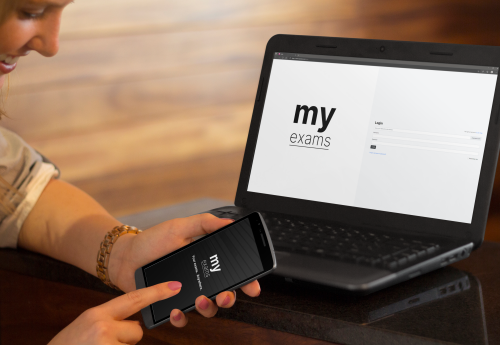
Invigilators, training providers, educational institutions and awarding organisations can now take control of their own Remote Invigilation system using MyExams.

MyExams gives you the ability to connect with your learners all over the world in your own, personalised, secure Remote Invigilation environment.  Add your exam sessions, add your candidates and assign your invigilators.  It’s that simple.  MyExams does away with the need to outsource your remote invigilation to an unknown third-party – you are in control.

Candidates connect with invigilators using the MyExams mobile app, WebApp and screen sharing – giving you all the exam integrity that you need.

24/7 availability, 24/7 support

MyExams can be used to provide Remote Invigilation in any time zone on any day, in any country.  24/7 technical support and customer service is on hand to support you and your learners.

For professional invigilators, you can use MyExams to provide Remote Invigilation services that you can list on BookAnExam.com!

Your exams.  Your candidates.  Your invigilation.  MyExams.

To find out more about MyExams, please click here.[/vc_column_text][/vc_column_inner][/vc_row_inner][vc_row_inner css=”%7B%22default%22%3A%7B%22margin-top%22%3A%2250PX%22%7D%7D”][vc_column_inner][vc_column_text css=”%7B%22default%22%3A%7B%22margin-bottom%22%3A%2220px%22%2C%22padding-bottom%22%3A%2220px%22%7D%7D”]


It’s like booking.com, but for exams!

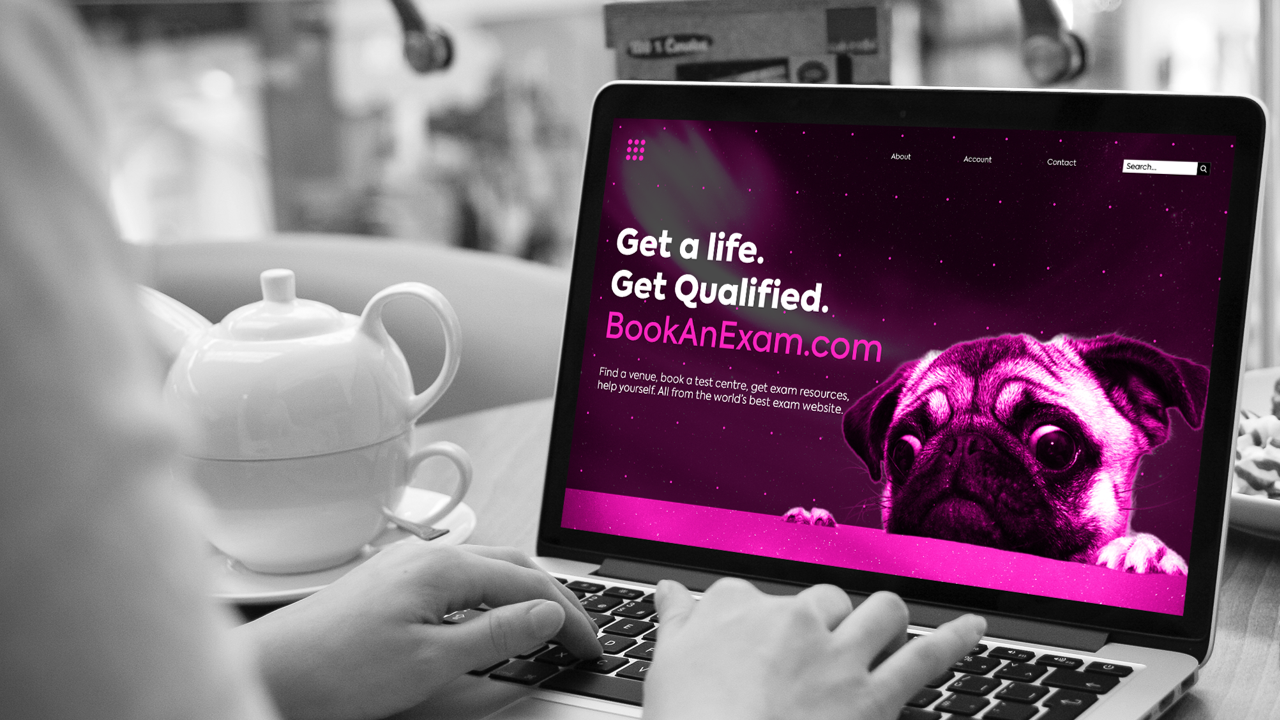
You can search BookAnExam for courses, resources, invigilators, test centres, exam venues, exam supplies, study guides and so much more…

For learners.  Accessing education shouldn’t be so hard.  Now you can connect with the resources and people that you need to help you achieve the best results possible in your exams.  Whatever you want to achieve, the BookAnExam community can help you!

For vendors, you can create your own FREE account store on BookAnExam that will let you advertise and sell your educational products and services to a global audience.  So, if you want to advertise invigilation services to people on the other side of the planet (see MyExams below…), you can!  Or if you would like to advertise tuition to your local community – go for it!

For training providers, you can use BookAnExam to find invigilators and exam venues, test centres or remote invigilation service providers from Trinidad to Timbuktu!

Get a life.  Get qualified.  BookAnExam.com

Find out more here.

[/vc_column_text][/vc_column_inner][/vc_row_inner][us_separator size=”custom” height=”40px”][us_post_author avatar=”1″ avatar_width=”128px” avatar_pos=”left” info=”1″][us_separator size=”custom” height=”30px”][vc_column_text css=”%7B%22default%22%3A%7B%22font-size%22%3A%2220px%22%7D%7D”]    Share this article[/vc_column_text][us_sharing providers=”email,facebook,twitter,linkedin,vk,whatsapp” counters=”hide”][/vc_column][/vc_row]


The VICTVS Podcast: Episode 3 – When exams go wrong! Cheating your way to nuclear launch codes.

Cheating = explosions

[vc_row][vc_column][vc_column_text css=”%7B%22default%22%3A%7B%22margin-bottom%22%3A%2220px%22%2C%22padding-bottom%22%3A%2220px%22%7D%7D”]Did you hear the story about the thousands of Indian Army candidates who had to sit an exam in their underwear?  Or the Senegalese man arrested for dressing up as his girlfriend to take exams on her behalf, and was only discovered on day three of the exams? Or what about the US Airforce Nuclear Missile Commanders who were found cheating on their monthly proficiency tests?

Welcome to the occasionally amusing, sometimes inventive and always thought provoking world of exam cheating.  In this month’s episode of The VICTVS Podcast, we discuss the lengths students and exam setters go to outsmart each other, and the impact this is having on academic integrity.

Talking with our guest, Derek Newton, writer for HuffPost, Forbes and The Atlantic, and creator of The Cheat Sheet, we cover contract cheating, trust, and exactly why cheating in exams is such an important topic for everyone.

Follow us on Twitter at VICTVS  @victvsltd, and Derek Newton at @derekTNG.  

We would love to hear your thoughts and experiences on this topic, so get the conversation started by leaving a comment down below.

About The VICTVS Podcast

At The VICTVS Podcast, we meet with friends and colleagues, along with experts from a wide range of fields, to discuss important topics that affect us all as members of the connected global workforce.

Please subscribe, review and rate The VICTVS Podcast on Apple Podcasts, Spotify and Google Podcasts, as well as sharing with anyone who you think might enjoy the listen.

You can also find a full transcript of the episode here.[/vc_column_text][vc_raw_html css=”%7B%22default%22%3A%7B%22margin-bottom%22%3A%2230px%22%2C%22padding-left%22%3A%2210px%22%2C%22padding-top%22%3A%2210px%22%2C%22padding-bottom%22%3A%2210px%22%2C%22padding-right%22%3A%2210px%22%2C%22box-shadow-blur%22%3A%224px%22%2C%22box-shadow-spread%22%3A%224px%22%2C%22box-shadow-color%22%3A%22%23333333%22%7D%7D”]JTNDaWZyYW1lJTIwc3JjJTNEJTIyaHR0cHMlM0ElMkYlMkZvcGVuLnNwb3RpZnkuY29tJTJGZW1iZWQtcG9kY2FzdCUyRmVwaXNvZGUlMkYxV1RLMVJ6ejBXbDFKb1JKRWlnOUJrJTIyJTIwd2lkdGglM0QlMjIxMDAlMjUlMjIlMjBoZWlnaHQlM0QlMjIyMzIlMjIlMjBmcmFtZWJvcmRlciUzRCUyMjAlMjIlMjBhbGxvd3RyYW5zcGFyZW5jeSUzRCUyMnRydWUlMjIlMjBhbGxvdyUzRCUyMmVuY3J5cHRlZC1tZWRpYSUyMiUzRSUzQyUyRmlmcmFtZSUzRQ==[/vc_raw_html][us_separator size=”custom” height=”40px”][us_post_author avatar=”1″ avatar_width=”128px” avatar_pos=”left” info=”1″][us_separator size=”custom” height=”30px”][vc_column_text css=”%7B%22default%22%3A%7B%22font-size%22%3A%2220px%22%7D%7D”]    Share this article[/vc_column_text][us_sharing providers=”email,facebook,twitter,linkedin,vk,whatsapp” counters=”hide”][/vc_column][/vc_row]
The VICTVS Podcast: Episode 2 – Success at all costs. Can smart drugs help you pass your exams?

Smart drugs, nootropics or cognitive enhancers

[vc_row][vc_column][vc_column_text css=”%7B%22default%22%3A%7B%22margin-bottom%22%3A%2220px%22%2C%22padding-bottom%22%3A%2220px%22%7D%7D”]Do smart drugs which report to enhance concentration, focus and brain power actually work?  Who is using them and why?  Is using a cognitive enhancer during an exam cheating?  Are they safe?

With 10-15% of the student population estimated to have tried enhancing their abilities with substances ranging from prescription nootropics to herbal supplements, what exactly can regulators do to ensure the playing field remains level for all?

This month’s podcast does a deep dive into the fascinating world of smart drugs, otherwise known as nootropics or cognitive enhancers.  We chat with Dr Ellie Dommett, Reader of Neuroscience at King’s College London about use of these drugs within the university population and beyond, as well as exploring the ethics of using such substances to gain a competitive advantage.

We would love to hear your thoughts and experiences on this topic, so get the conversation started by leaving a comment down below.

About The VICTVS Podcast

On The VICTVS Podcast,  we will be meeting with friends, colleagues and expert guests to discuss topics related to the evolution of the connected global workplace, and sharing our journey with you.

Please subscribe, review and rate The VICTVS Podcast on Apple Podcasts, Spotify and Google Podcasts, as well as sharing with anyone who you think might enjoy the listen.

You can also find a full transcript of the episode here.

Like the artwork for this episode?  It was created by our very own Neneh Patel, Global Operations Manager.[/vc_column_text][vc_raw_html css=”%7B%22default%22%3A%7B%22margin-bottom%22%3A%2230px%22%2C%22padding-left%22%3A%2210px%22%2C%22padding-top%22%3A%2210px%22%2C%22padding-bottom%22%3A%2210px%22%2C%22padding-right%22%3A%2210px%22%2C%22box-shadow-blur%22%3A%224px%22%2C%22box-shadow-spread%22%3A%224px%22%2C%22box-shadow-color%22%3A%22%23333333%22%7D%7D”]JTNDaWZyYW1lJTIwc3JjJTNEJTIyaHR0cHMlM0ElMkYlMkZvcGVuLnNwb3RpZnkuY29tJTJGZW1iZWQtcG9kY2FzdCUyRmVwaXNvZGUlMkYzRjliZkFGOHM0NXJKZW0xdUtNTFZtJTIyJTIwd2lkdGglM0QlMjIxMDAlMjUlMjIlMjBoZWlnaHQlM0QlMjIyMzIlMjIlMjBmcmFtZWJvcmRlciUzRCUyMjAlMjIlMjBhbGxvd3RyYW5zcGFyZW5jeSUzRCUyMnRydWUlMjIlMjBhbGxvdyUzRCUyMmVuY3J5cHRlZC1tZWRpYSUyMiUzRSUzQyUyRmlmcmFtZSUzRQ==[/vc_raw_html][us_separator size=”custom” height=”40px”][us_post_author avatar=”1″ avatar_width=”128px” avatar_pos=”left” info=”1″][us_separator size=”custom” height=”30px”][vc_column_text css=”%7B%22default%22%3A%7B%22font-size%22%3A%2220px%22%7D%7D”]    Share this article[/vc_column_text][us_sharing providers=”email,facebook,twitter,linkedin,vk,whatsapp” counters=”hide”][/vc_column][/vc_row]

The VICTVS Podcast: Episode 1 – An introduction to VICTVS

VICTVS Podcast on iphone - listening

[vc_row][vc_column][vc_column_text css=”%7B%22default%22%3A%7B%22margin-bottom%22%3A%2220px%22%2C%22padding-bottom%22%3A%2220px%22%7D%7D”]We are very pleased to announce the launch of the VICTVS podcast, a new podcast covering international work, cross-cultural communication, global trade and commerce and how all of these things affect individuals and communities.

Each month, we will be meeting with friends, colleagues and expert guests to discuss topics related to the evolution of the connected global workplace, and sharing our journey with you.

In Episode 1, hear our exclusive interview with VICTVS CEO and founder Ben Clayson.  We deep dive into what motivated Ben to start the company, how the VICTVS values influence all areas of the business and finally how the company is evolving to stay at the top of the game.  We also speak to VICTVS Global Network member, Anna Silva about her experiences living and working in Brazil for an international company.

Please subscribe, review and rate the VICTVS podcast on Apple Podcasts, Spotify and Google Podcasts, as well as sharing with anyone who you think might enjoy the listen.  You can also find a full transcript of the episode here.

If you have any ideas for topics, guests or features that we should include, please leave a comment below![/vc_column_text][vc_raw_html css=”%7B%22default%22%3A%7B%22margin-bottom%22%3A%2230px%22%2C%22padding-left%22%3A%2210px%22%2C%22padding-top%22%3A%2210px%22%2C%22padding-bottom%22%3A%2210px%22%2C%22padding-right%22%3A%2210px%22%2C%22box-shadow-blur%22%3A%224px%22%2C%22box-shadow-spread%22%3A%224px%22%2C%22box-shadow-color%22%3A%22%23333333%22%7D%7D”]JTNDaWZyYW1lJTIwc3JjJTNEJTIyaHR0cHMlM0ElMkYlMkZvcGVuLnNwb3RpZnkuY29tJTJGZW1iZWQtcG9kY2FzdCUyRmVwaXNvZGUlMkYxS1BGUGRreG9uRkZuaGZ4Q2VQQW5HJTIyJTIwd2lkdGglM0QlMjIxMDAlMjUlMjIlMjBoZWlnaHQlM0QlMjIyMzIlMjIlMjBmcmFtZWJvcmRlciUzRCUyMjAlMjIlMjBhbGxvd3RyYW5zcGFyZW5jeSUzRCUyMnRydWUlMjIlMjBhbGxvdyUzRCUyMmVuY3J5cHRlZC1tZWRpYSUyMiUzRSUzQyUyRmlmcmFtZSUzRQ==[/vc_raw_html][us_separator size=”custom” height=”40px”][us_post_author avatar=”1″ avatar_width=”128px” avatar_pos=”left” info=”1″][us_separator size=”custom” height=”30px”][vc_column_text css=”%7B%22default%22%3A%7B%22font-size%22%3A%2220px%22%7D%7D”]    Share this article[/vc_column_text][us_sharing providers=”email,facebook,twitter,linkedin,vk,whatsapp” counters=”hide”][/vc_column][/vc_row]